About this blog
I started the module MEDI512 Experiment without any experience in Digital Cinematics, Animation, Sound, Portable Lighting or Photochemical Experiments. As a German exchange student, I was free to choose any module in the Media Arts course and because this module sounded like the perfect opportunity to explore a variety of media, I decided to enrol... Continue Reading →

My final prints

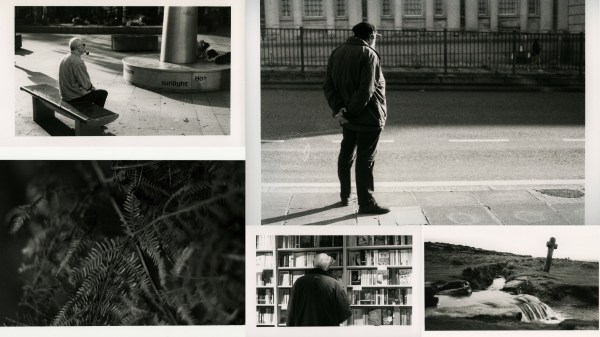
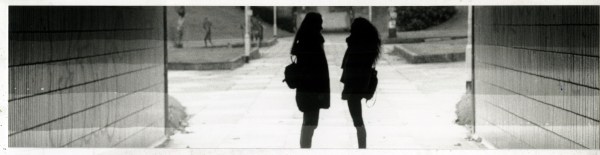
After several hours in the darkroom and going through all the necessary steps (setting up the enlarger, printing a contact sheet, printing enlarged photos,…) I came up with several final prints that fulfilled the criteria of portraiture, landscape and a recreation of an already existing photograph. After consulting the contact sheet, I saw that I... Continue Reading →

Reflecting on my Illuminate Project

During the introduction session to the Illuminate Project, I remember feeling overstrained by the idea of creating my own project for a big and international festival. My first thoughts were “Will I be able to do that? I don’t even have an idea yet. This project is way too advanced for me!”. These thoughts disappeared... Continue Reading →

Visiting the Illuminate Festival

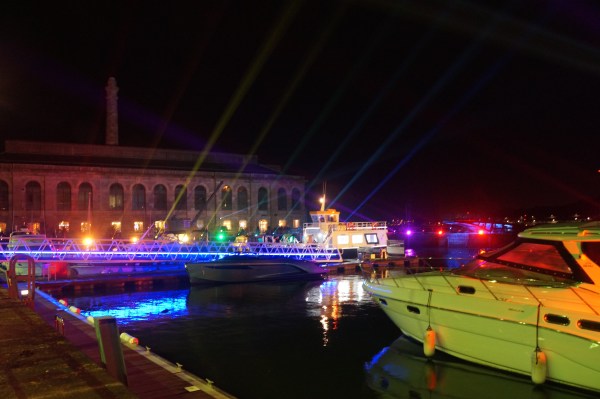
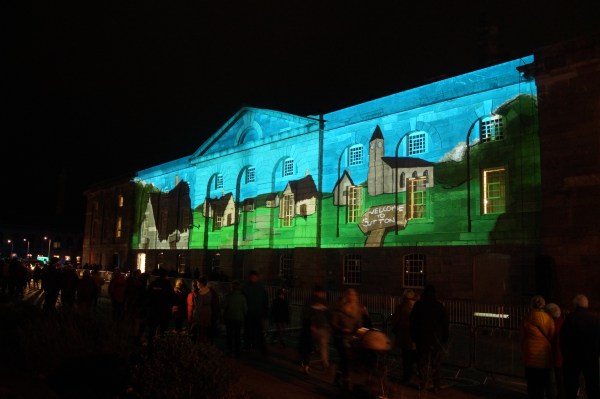
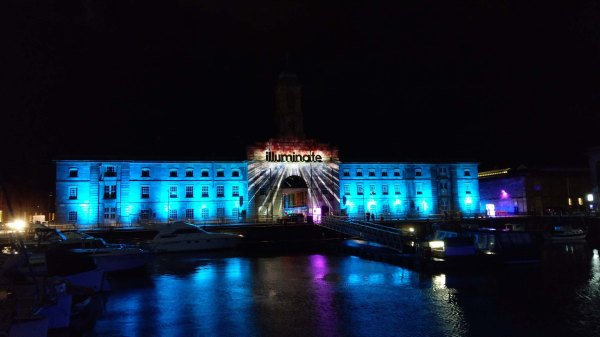
I visited the Illuminate Festival on the second day of the festival. Unfortunately, I only made it to the Royal William Yard but failed to see the installations of my classmates at the Mount Edgcumbe. The reason for that were the poorly scheduled ferry times – I simply didn’t have enough time to wait for... Continue Reading →

Printing images in the darkroom

I consulted the contact sheet to decide which image I wanted to print as a photographic enlargement, which is way larger than the negative and made by projecting an enlarged image of the negative onto photographic paper. The first step was setting up the enlarger: I selected a negative from the contact sheet to work... Continue Reading →

Making a contact sheet

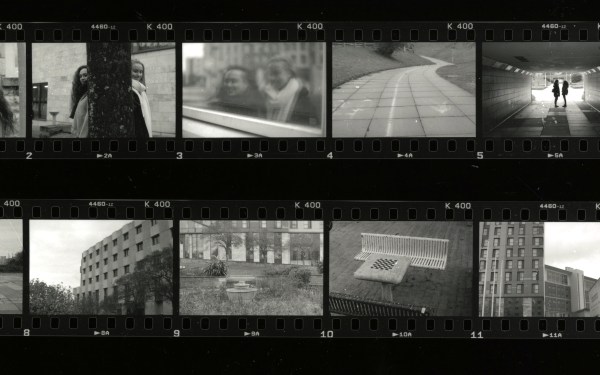
Before deciding on a photograph to enlarge and print it is necessary to print a contact sheet – a visual representation of the negatives. To make a contact sheet, I placed a glass fronted contact frame centrally under the enlarger head. I raised the enlarger head to a height where the light just surrounds the... Continue Reading →

Inspiration: Martin Schoeller

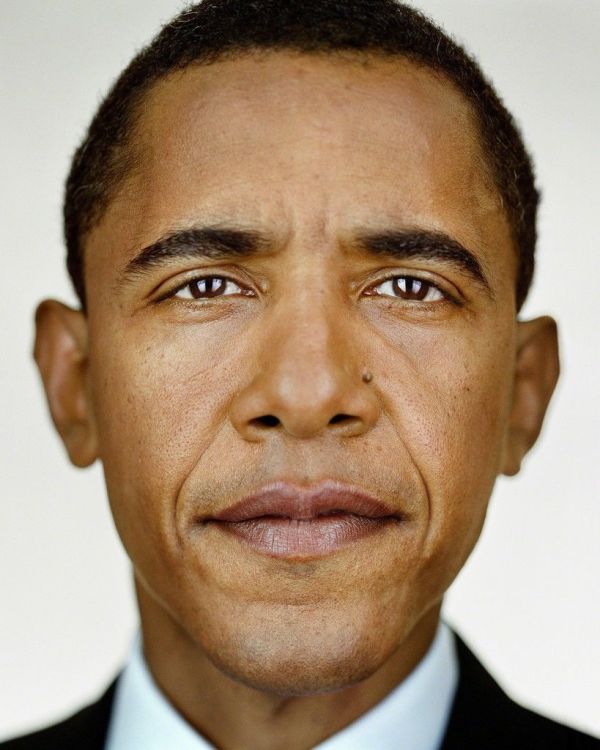
I discovered the work of Martin Schoeller many years ago and have been a fan of his photographs ever since. His large close-ups portraits of both celebrities and unknowns were a great inspiration for my own photographic work. Martin Schoeller, now age 51, was born and raised in Germany before he moved to New York... Continue Reading →

Film Processing

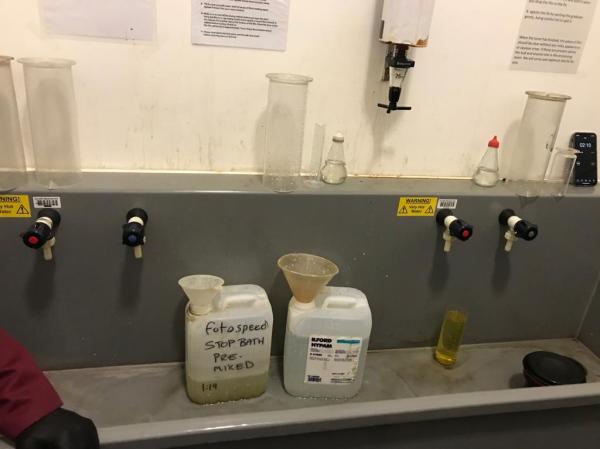
After shooting all the frames on a 35mm film, the film needed to be processed in a complete dark environment. In order to do so, the film from the film canister was loaded onto a film reel which holds the film in spiral shape. It is important to take as much time as necessary during that... Continue Reading →

Inspiration: Niina Vatanen

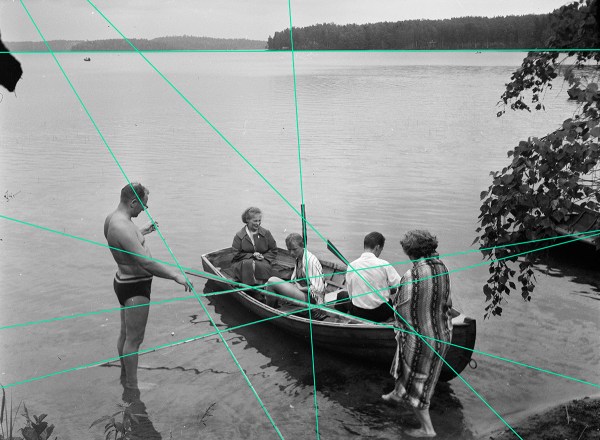
When I spoke to my lecturer Tim about my new idea for the Illuminate project, he introduced me to the work of Niina Vatanen. She is a visual artist based in Helsinki and her work is focused on different aspects of seeing and perception. Vatanen also works with archive material, which I find extremely fascinating.... Continue Reading →

35mm Analogue Camera Control

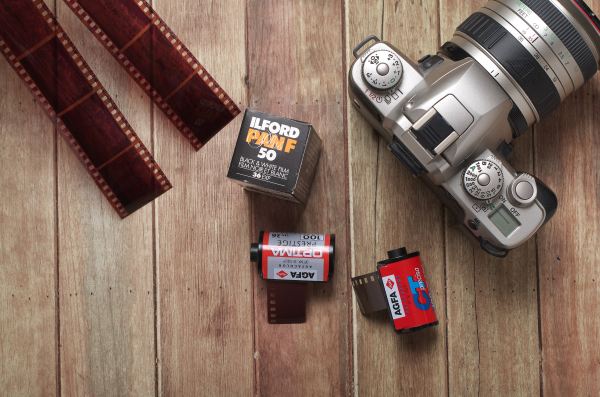
Before I could start with the practical implementation of my photography project, I needed to familiarise with the camera control of the 35mm SLR camera. Therefore, it was necessary to have a look at the relationship between aperture, shutter speed and ISO and the effect all of them have on the exposure of a photograph.... Continue Reading →

Analogue Photography workshop

Our four-week analogue photography workshop started with an introduction to the workshop by Caroline Burke. She explained the schedule of the coming weeks and old us about the final outcome we had to come up with till the end of December. The assignment was to hand in three 10x8 inch photographs, one of which deals... Continue Reading →

Inspiration: Diane Arbus

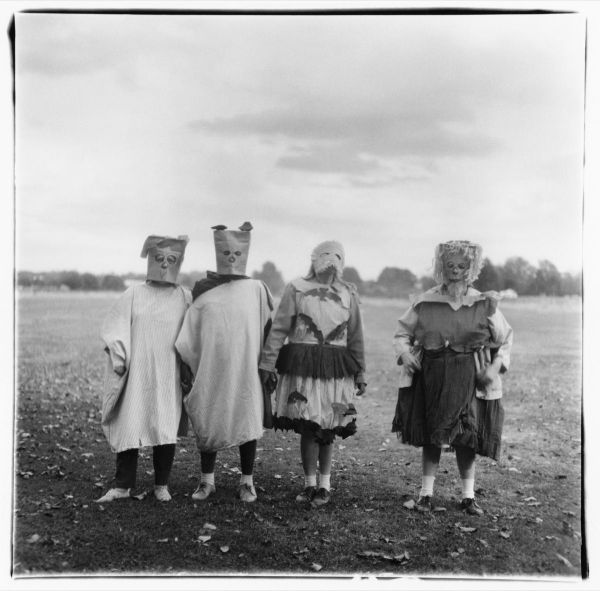
When I saw the photographs of Diane Arbus for the first time, I was very impressed by them. The feelings that the images convey are beautiful, the displayed persons are shown in such an intimate and personal way. I began to research more about Arbus and found a great book in the library that collects... Continue Reading →

Decision against Illuminate Festival

This week Tim Mills informed us that the Illuminate team requested some additional information about our concepts to be taken into consideration for the Illuminate festival 2019. Following our initial concept submission, Tim uploaded a questionnaire that had to be filled out if we wanted to present our work at the festival. I took that... Continue Reading →

Sound workshop

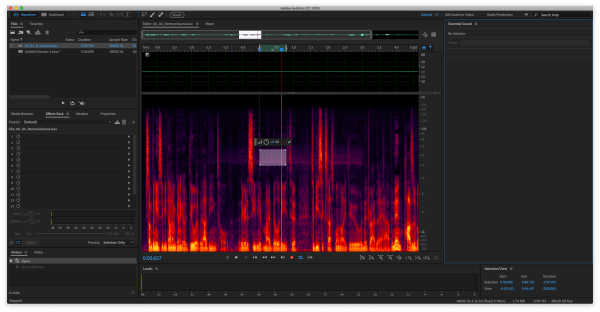
The sound workshop in which we were introduced to the Adobe Audition software was the least interesting one for me. The workshop itself was well done and Andy Banks did a good job of showing us common audio task of non-destructive and destructive editing, but my personal interest in audio and sound is just not... Continue Reading →

Inspiration: „Souvenir d’un Futur“

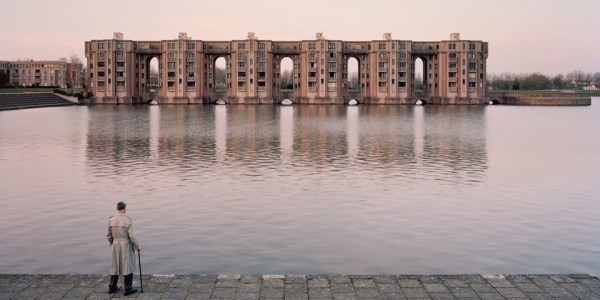
I found the series of photographs called “Souvenir d'un Futur” in my favourite online photography magazine “kwerfeldein” and loved it from the very beginning: French photographer Laurent Kronental documented the life of senior citizen living in large housing projects (called “Grands Ensembles”) in suburbs of Paris. Most of them were erected between 1950 and 1990... Continue Reading →

Animation Workshop 2 (After Effects)

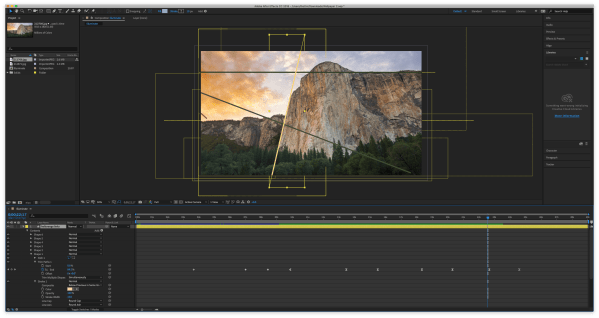
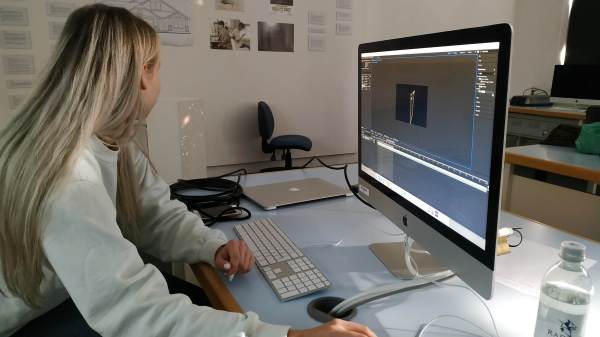
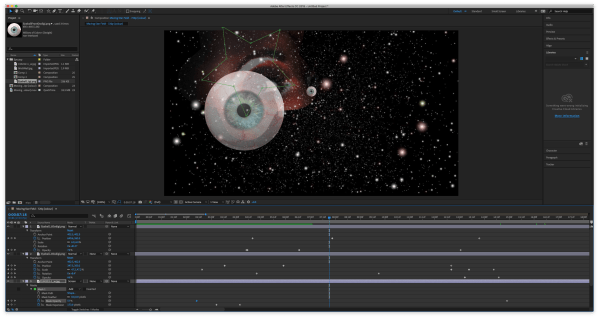
This week I attended another After Effects workshop with Andy Banks. He took up the basic skills he already taught us and introduced me to the technique of projection mapping, which means the process of using a projector to illuminate animations on surfaces. This technique is particularly helpful for us because it is often used in... Continue Reading →

Stop-Motion Animation using Dragon Frame

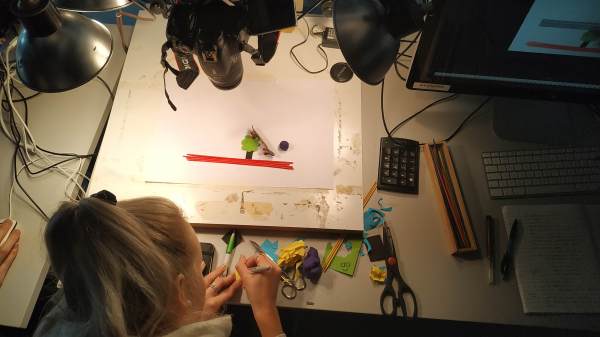
At the beginning of the animation workshop Stuart Moore showed us some inspirational videos that were the perfect introduction to the topic of the day: Doing stop-motion animation using the Dragon Frame software. We were shooting our stills with a Canon 700D because it's one of only a few cameras that can actually work with... Continue Reading →

Colour Theory

For my project for the Illuminate festival it was necessary to have a closer look at the relationship between the additive and subtractive colours (also called primary and secondary colours) to understand colour contrast in still and moving images. Red, blue and green are the three primary colours. They are the only colours that the... Continue Reading →

Provisional Concept for Illuminate Project

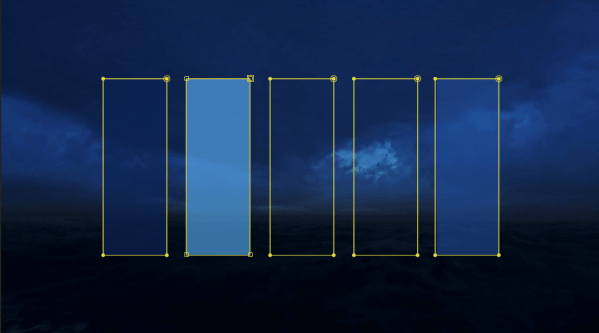
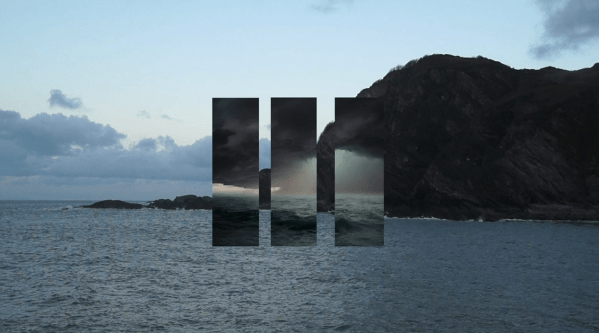
My basic concept: I wish to explore ideas around imagination and freedom – in my opinion, both topics are best expressed with the endless vastness of the ocean. Not only are oceans, beaches and coastlines a place to relax and let the imagination run free, they were also an integral part of the Mayflower voyage.... Continue Reading →

Inspiration: Tomas van Houtryve

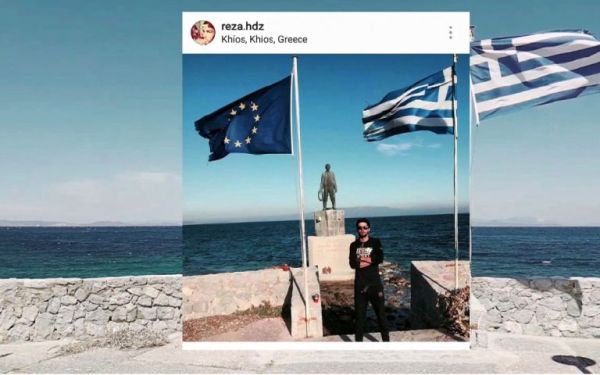
I was inspired to look into the single-channel video installation called “Traces of Exile” by Dutch photojournalist Tomas van Houtryve. He used hundreds of photographs on social media which were taken by refugees along their journey from their home country to Europe. He overlaid those “digital breadcrumbs” (van Houtryve, 2017) on slow motion videos that... Continue Reading →

Inspiration: Anna Columbine

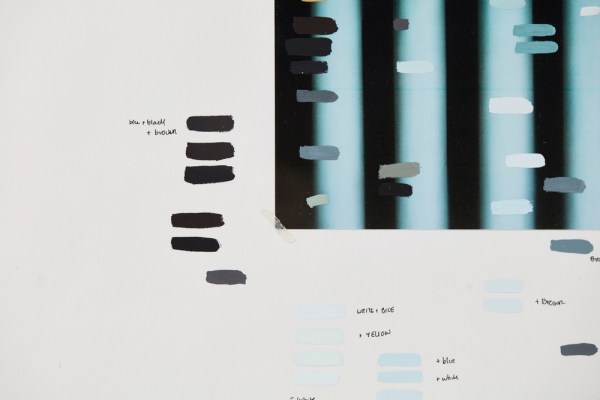
My lecturer Tim Mills introduced me to the work of Anna Columbine, an artist based in Manchester who works with a range of media including drawing, installation and photography. Tim recommend me to have a closer look at her body of work "Colour Mapping- Versions", which was first shown at the exhibition In Nothing Flat at... Continue Reading →

Three-Point Lighting

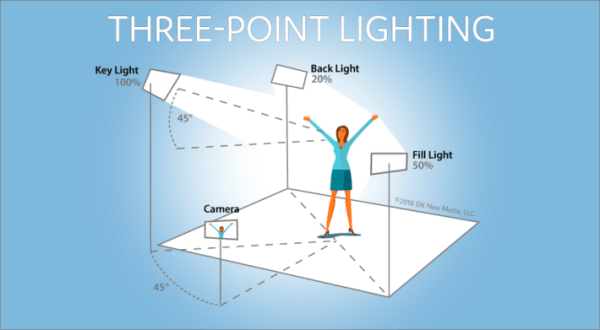
Craig Whyte introduced me to the standard lighting technique used in visual media such a film or photography, the so-called three-point lighting technique. This versatile but simple system forms the basis of most lighting and was essential for our following lighting exercise. The three lights that are used for this technique are called key light,... Continue Reading →

Portable Lighting Exercise

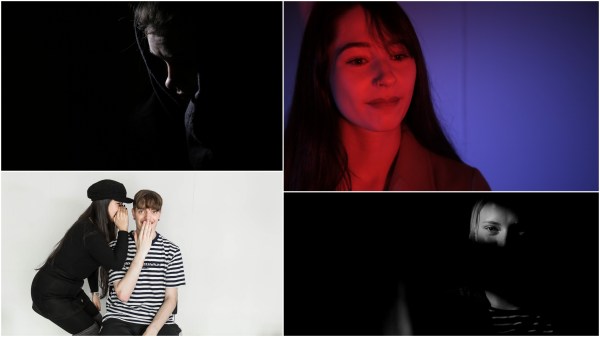
After Craig Whyte introduced us to the cinematic lighting techniques of portable lighting equipment, we worked in three teams to carry out a lighting exercise. Our task was to shoot four different lighting scenarios using given examples incorporating the use of filters, gels and the basic three-point lighting technique. We should record at least 10... Continue Reading →

Inspiration: Brandon Kidwell

A photo that touches me in a very emotional way is “Failure and Regret” by Brandon Kidwell, a freelance photographer from Florida who focuses on iPhone-photography and double exposure images. The photo above is part of a series of photographs called “Wisdom for my children”. Kidwell took the inspiration for it from his three children:... Continue Reading →

Animation Workshop 1 (After Effects)

This week I didn’t have a session with Tim Mills to talk about my project for the Illuminate festival but attended an animation workshop with Andy Banks. Most of the students in our class (including me) used Adobe After Effects for the first time that day. Andy walked us through all the basic steps of... Continue Reading →

Inspiration: “Sofia’s People”

During the Digital Cinematics workshop, I was introduced to Philip Bloom's film “Sofia’s People” which was entirely filmed with the Canon 5DMK II and one single Zeiss 50mm F1.4 lens. Our lecturer Stuart Moore told us about the strong impact it had ten years ago when it was first published: Even though Bloom himself described it... Continue Reading →

Digital Cinematics: The Canon EOS 5D Mark II

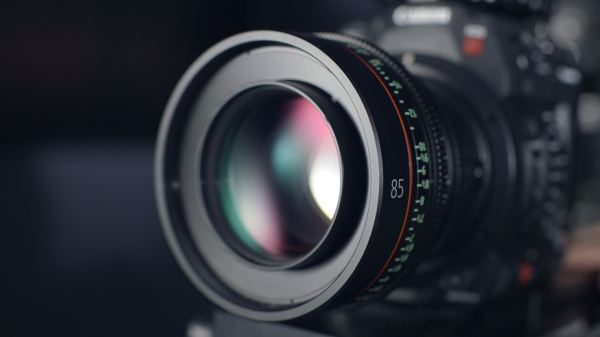
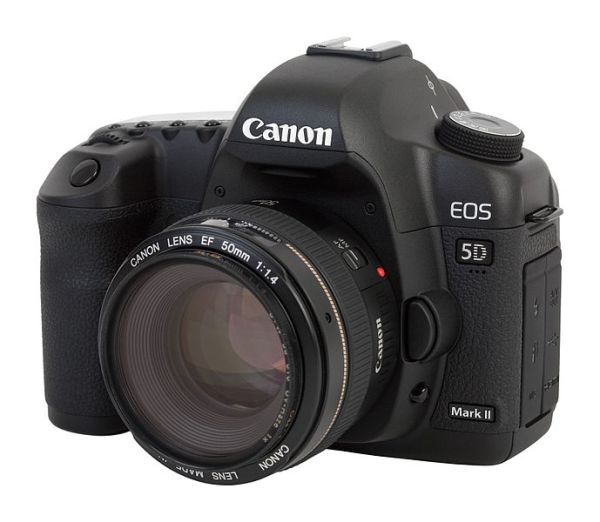
The two week workshop Digital Cinematics was the perfect chance to look at creative technologies and ideas of cinematography using large sensor digital cameras. The camera we used for filming our own footage was the Canon EOS 5D Mark II, a full-frame digital single-lens reflex camera. As Canon (2008) announced it was the world’s first... Continue Reading →

The Mayflower history (Part 2)

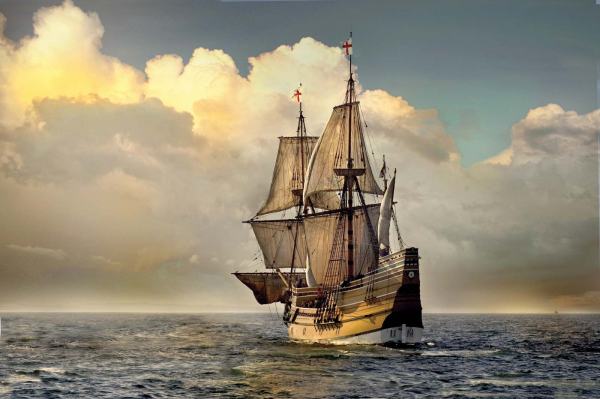
When the Pilgrims took the Mayflower to sail to the New World, the living conditions on the ship were terrible: Many endured hunger and the winter storms blew the ship off course. The ship arrived in Cape Harbour on 21 November 1620, not in New Virginia as they had planned to (Mayflower 400, 2019). The... Continue Reading →

The Mayflower history (Part 1)

The voyage of the Mayflower, its arrival in the New World and the whole story around it can be traced back to the 1500s, when a change in English law divided the nation and religion (Mayflower 400, 2019). The change within the English church started in the 1500s with King Henry VIII, who wanted a... Continue Reading →

Site review: Mount Edgcumbe

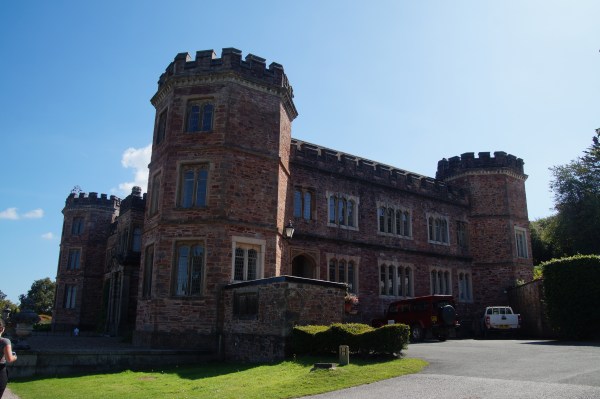
The light-based Illuminate festival takes place at Royal William Yard and has some additional installations around the Barbican and Mount Edgcumbe. Mount Edgcumbe will be the location for our own Illuminate projects, so I visited the country park and the House on the Rame peninsula to get some inspiration for my future work.  Mount Edgcumbe Folly... Continue Reading →

Inspiration: David Best

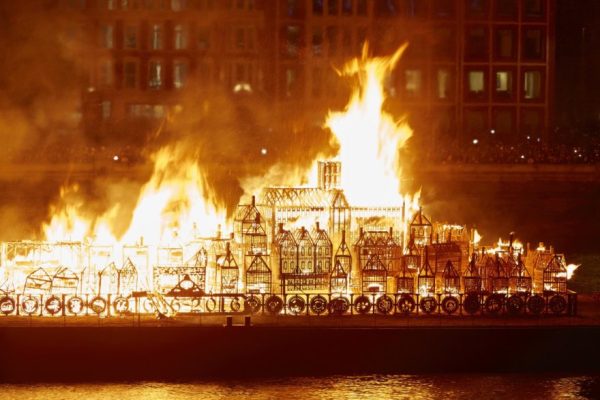
When the artwork of David Best was shown in class, I immediately loved it! Especially his 120-metre-long wooden model of the 17th century historic Old Town of London, which was set alight in the River Thames on 4 September 2016. This project, which he called “London 1666”, was part of Great Fire 350, a city-wide... Continue Reading →

Illuminate 2019 – what is it?

The Illuminate 2019 festival marks the opening of the international Mayflower 400 commemoration year 2020. It is a spectacular and light-based festival that connects different locations across the United Kingdom, the Netherlands and the United States. Illuminate festivals have been taking place in both Plymouth (UK) and Plymouth (MA) for several years. They build on... Continue Reading →

Being Experimental – A Film Challenge

Our lecturer – the film-maker Dan Paolantonio – encouraged us to try our own experimental film challenge. It was our task to create a film which explored our immediate environment. We should also consider textures, patterns and movement.  After watching inspirational short films that Dan created, we discussed possible obstructions for our own short film.... Continue Reading →

Create a website or blog at WordPress.com
Up ↑

Design a site like this with WordPress.com
Get started